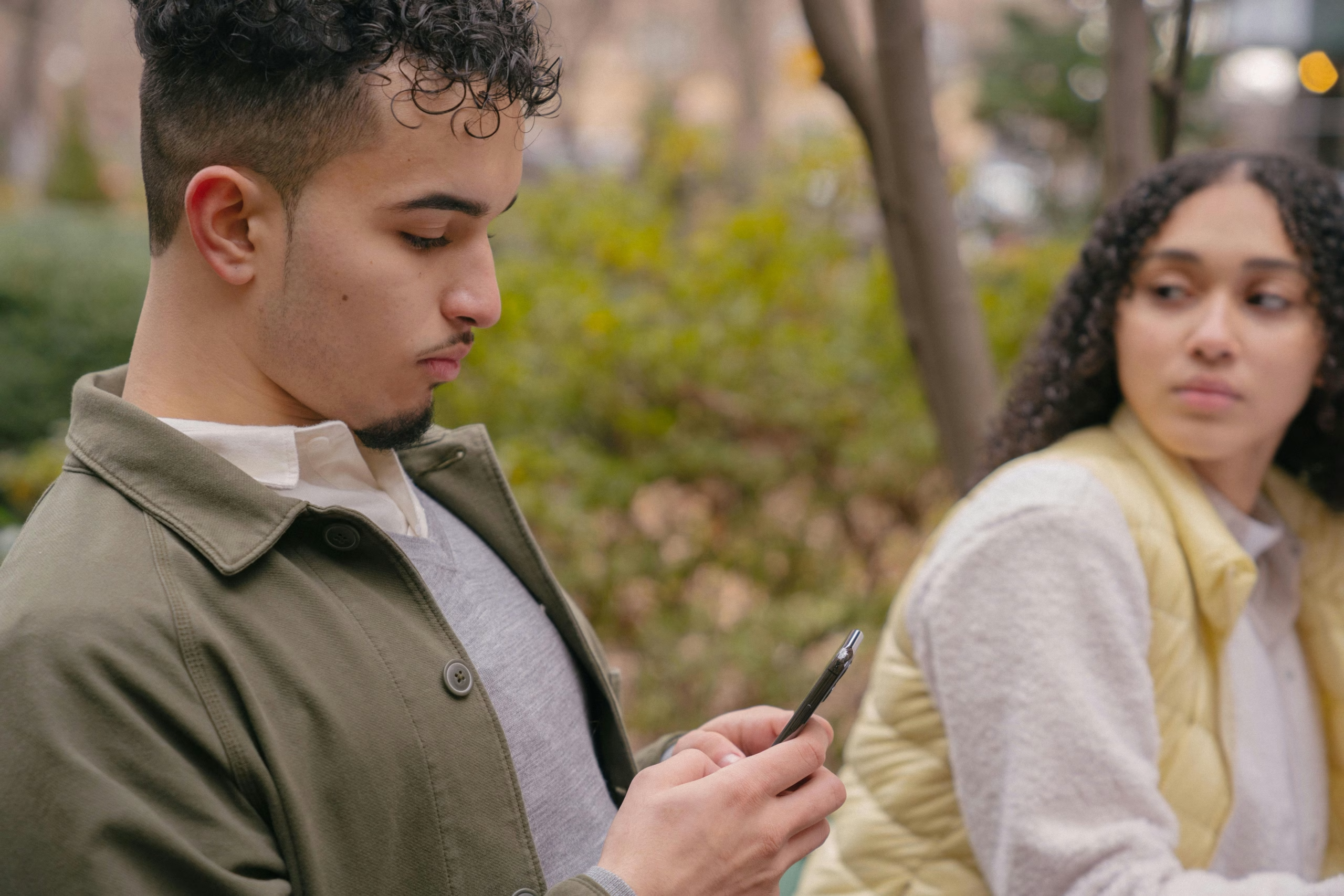
The Impact of Screens in a Relationship
We live in a world where a notification can pull our attention faster than a loved one’s voice. We scroll through texts, Instagram stories, and endless feeds, thinking we’re staying connected. But connection isn’t about a double-tap, a read receipt, or an emoji reply. True connection happens when humans meet humans: eye to eye, heart to heart.
I remember a client I’ll call Emma. She and her partner would sit in the same room, phones in hand, “talking” but never really listening. Their arguments were long, and their silences were even longer. It wasn’t that they didn’t care. It was just that their attention had migrated elsewhere. By the time they realized it, they were strangers in the same bed.
Technology Isn’t the Enemy, Misused, It Hurts Connection
Technology isn’t evil. It’s incredible for work, coordination, and keeping in touch across distances. But when it becomes the go-to for emotional connection, relationships start to fray. Research shows that couples who overuse phones during shared moments experience more dissatisfaction and disconnection. Our brains are wired for nuance, tone, and presence, which algorithms can’t replicate.
Here’s the hard truth:
- a text can’t replace a hug,
- a “How are you, really?” can’t be answered with a sticker, and
- a social media “like” can’t carry the weight of genuine appreciation.
Every time you turn to technology instead of humans, you sacrifice depth, understanding, and intimacy.
Real Stories About Hard Technology Habits
Technology can silently disrupt relationships, and small intentional changes can restore intimacy. The following are real client stories showing how overuse of phones created distance, and how reclaiming human connection made all the difference.
1. Silent Distance at Home
Emma and her partner would sit in the same room, phones in hand, thinking they were connecting. They exchanged words, but real listening rarely happened. Weeks of scrolling built tension until Emma finally said, “I feel unseen when we’re both on our phones. Can we put them away during dinner and really talk?” This one act allowed for meaningful conversation, reduced tension, and increased their connection.
2. Miscommunication Through Texts
A couple relied on texting to handle disagreements. Their misunderstandings escalated, and resentment grew. At their breaking point, they committed to a 10-minute nightly check-in without phones. Their conversations became calmer and more effective, helping them rebuild their connection and reduce silent frustration.
3. Setting Emotional Boundaries Online
A client felt overwhelmed when a friend constantly shared personal issues over group chats instead of in person. By setting a clear boundary (“I care, but I need to talk privately or later”), she regained emotional space. Her clarity and boundary-setting allowed their friendship to survive and deepen.
4. Family Time Interrupted by Notifications
A client’s partner was constantly checking work notifications during family time. Conversations were interrupted, leaving both partners feeling ignored. Implementing a “phone parking” strategy (e.g., leaving devices in another room) changed everything.
Simple Steps to Turn Back to Humans
- Set phone-free zones: Meals, walks, and bedtime are sacred spaces. Make them phone-free and invite conversation instead.
- Use a “phone parking” strategy: Leave devices in another room when spending quality time together. Seeing them out of reach reduces temptation.
- Replace scrolling with rituals: Ask a daily question that sparks connection, like “What was the best part of your day?” and listen without distractions.
- Schedule tech-free check-ins: Even 10–15 minutes a day of focused attention can rebuild intimacy.
- Notice triggers: When you reach for your phone out of boredom or stress, pause and ask: “Do I want connection, or am I avoiding it?”
I’ve seen it over and over: a simple shift (putting phones down, asking real questions, listening fully) changes everything. People reconnect, tensions ease, and intimacy returns. It’s not dramatic, it’s just human.
Ready to Reclaim Real Connection?
If you’re ready to reclaim connection and stop letting screens dictate your closeness, working with a trained counsellor can help you rewire these habits. At Quoin Counselling, our therapists (Tanya Schecter, Brooke Patterson, and Tiffany Wainwright) specialize in helping people navigate technology, communication, and intimacy so your relationships thrive.
Take the first step today and book a free consult. Connection is waiting on the other side of your screen.