We’ve all been there. You’re mid-conversation with your partner, a colleague, or even a friend, and suddenly the discussion twists into conflict. Words fly, emotions spike, and before you know it, you’re in a sticky situation you don’t know how to get out of. I’ve watched countless couples and individuals spiral into these moments — moments they could have handled calmly, if only they had a tool to press pause.
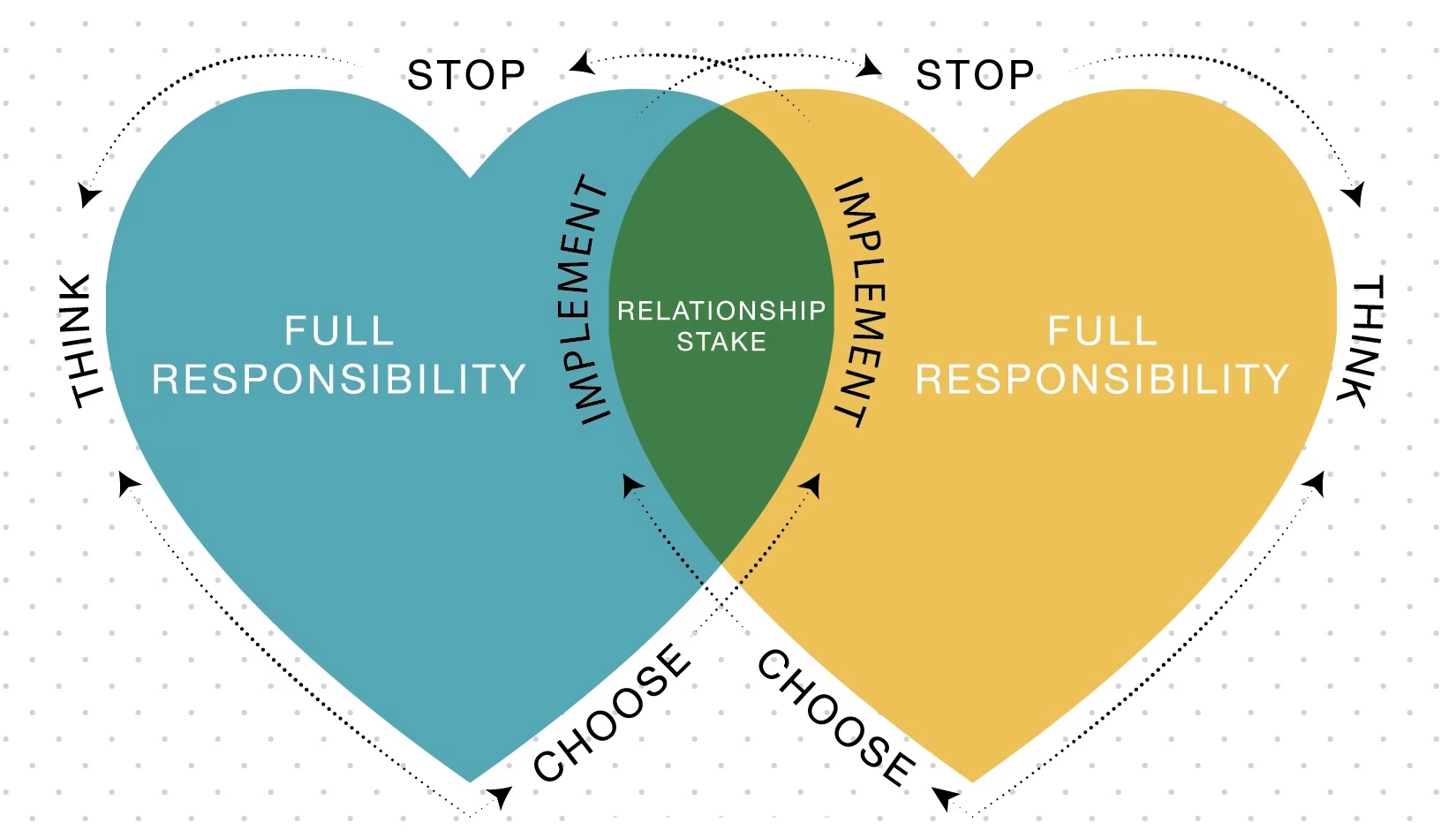
That’s where the STCI method comes in. Pronounced like “sticky,” STCI stands for Stop, Think, Choose, Implement, and it’s a simple yet powerful framework for diffusing conflict and making thoughtful decisions, whether on your own or with someone else.
Step 1: Stop
Stopping seems almost too obvious, but in the heat of conflict, we rarely do it. When emotions surge, our first instinct is to react. I remember sitting with a couple, let’s call them Emma and Jason. They had been arguing about money for 20 minutes straight. Emma noticed herself about to snap, but instead of diving in, she paused. That pause, the “Stop”, was enough to break the automatic reaction cycle.
Stopping doesn’t mean ignoring the problem; it means creating space to avoid saying or doing something you’ll regret. Stopping involves taking a breath, stepping back, or even physically removing yourself for a moment. It’s your first line of defence against escalation.
Step 2: Think
Once you’ve stopped, it’s time to think. Ask yourself:
- What’s really happening here?
- Am I reacting to the situation, or to my story about it?
- What outcome do I want?
Thinking helps you distinguish between your immediate emotional reaction and the rational choices available.
In Emma and Jason’s case, thinking allowed Emma to notice that she was reacting to her own frustration about bills, not to what Jason had said. That clarity made all the difference.
Step 3: Choose
Now comes the most critical step: choosing your response. You have options. You can respond defensively, escalate, walk away, or engage constructively.
Choosing intentionally means deciding based on your values and desired outcomes, instead of your automatic emotional reaction.
You can do this individually or as a team. If you’re in a relationship, try saying: “I need a minute to think, then let’s decide how we handle this together.” This simple line shifts conflict into collaboration.
Step 4: Implement
Finally, put your choice into action. This is where intention meets behavior. Maybe you decide to calmly express your needs, set a boundary, or propose a solution.
Implementation is about carrying your conscious choice into the real world.
For Emma and Jason, implementation looked like this: Emma took a breath and said, “I feel overwhelmed about the bills. Can we look at them together after dinner?” Jason agreed. Conflict paused, and a solution-focused conversation began.
Using STCI on Your Own vs. With a Partner
- On your own: Use STCI to manage personal reactions, reduce stress, and make thoughtful decisions. Even pausing alone can prevent hours of tension.
- With a partner: Use STCI collaboratively. Once both of you stop you can, together, think about possible solutions, choose one that meets your joint criteria and goals, and implement it. This transforms conflict from a battleground into a problem-solving space.
Once you choose and implement one solution, evaluate it to see whether it’s meeting your goals and objectives. If not, go back to the drawing board and try again. STCI is an iterative process that you can continue to engage in until you achieve positive change.
Why STCI Works
STCI works because it turns automatic reactions into conscious actions. It gives you space to breathe, perspective to think, and control to choose. All things most of us lose in the middle of a sticky moment. Think of it as a pause button for your emotional brain and a play button for your wise brain.
Start Using STCI Today
Next time you feel yourself spiralling into conflict, remember: Stop, Think, Choose, Implement. Try it alone or with your partner. Even small practice moments build the habit of responding instead of reacting, keeping relationships stronger, calmer, and more connected.
If conflict keeps creeping into your relationships, don’t let it linger. Learn to apply STCI with support from a therapist. At Quoin Counselling, our therapists (Tanya Schecter, Brooke Patterson, and Tiffany Wainwright) guide individuals and couples in Vancouver, Victoria, and across BC to navigate sticky moments, communicate with clarity, and reconnect deeply.
Book your free session today and start turning conflict into connection.